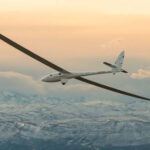

Gliding is one of the most fascinating parts of aviation. Unlike powered aircraft, gliders can fly without an engine. They use the movement of air to stay airborne, travel long distances, and explore the sky in a quiet and unique way.
But gliding did not become what it is today overnight. It took generations of experiments, failures, discoveries, and improvements to turn simple flying machines into the advanced sailplanes we see today.
The history of gliding is also an important part of the history of aviation. Many early pioneers used gliders to understand how wings work, how aircraft can be controlled, and how humans might achieve powered flight.
Let us explore how gliding developed, from the first successful experiments to modern sailplanes.
What Is Gliding?
Gliding is a form of flight in which an aircraft flies without using an engine to produce thrust. A glider moves forward through the air while gradually losing height, unless rising air helps it maintain or gain altitude.
Modern gliders are designed to make the most of natural air movement. Pilots look for rising air, such as thermals and ridge lift, to remain airborne for longer periods.
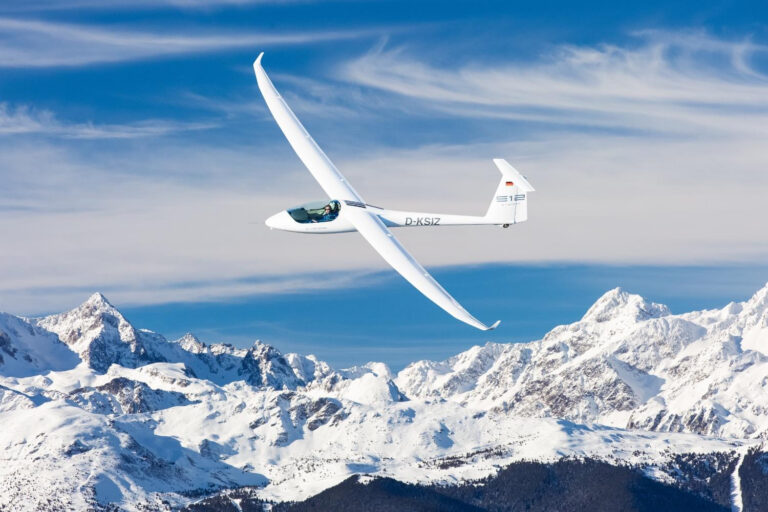
A sailplane is a type of glider designed especially for efficient flight. Its long, narrow wings help it travel a considerable distance while losing relatively little height.
To understand how these aircraft developed, we need to look back at the earliest attempts to fly.
The Early History of Human Flight
For centuries, people dreamed of flying like birds. Inventors and thinkers studied wings and tried to understand how humans might lift themselves into the air.
Early attempts were often based on imitating birds. However, simply attaching wings to the human body was not enough. Successful flight required a better understanding of aerodynamics, balance, stability, and control.
During the nineteenth century, aviation experiments became more systematic. Instead of relying only on ideas, inventors began testing wing shapes and studying how air moved around them.
These experiments helped lay the foundation for practical gliding. The Smithsonian National Air and Space Museum’s history of flight before the airplane explains how early glider experiments contributed to the development of aviation.
Otto Lilienthal and the First Successful Gliding Flights
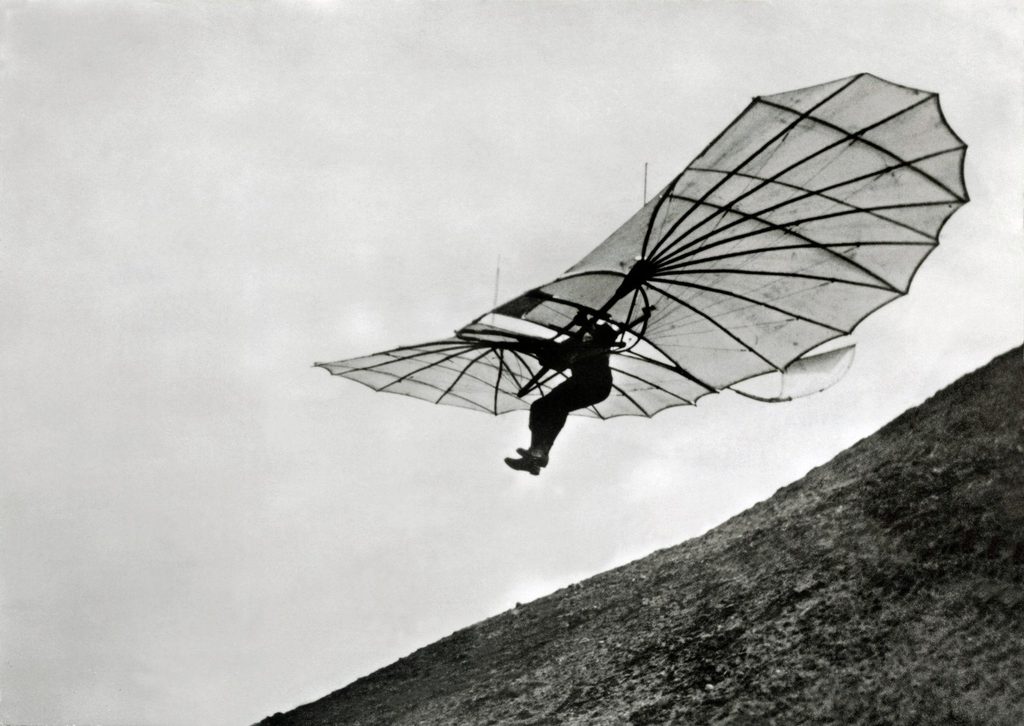
One of the most important figures in gliding history was Otto Lilienthal, a German engineer who helped turn the dream of human flight into a practical possibility.
Lilienthal studied bird flight and investigated how different wing shapes affected lift. He believed that understanding the principles of flight required real experiments, not just theoretical ideas.
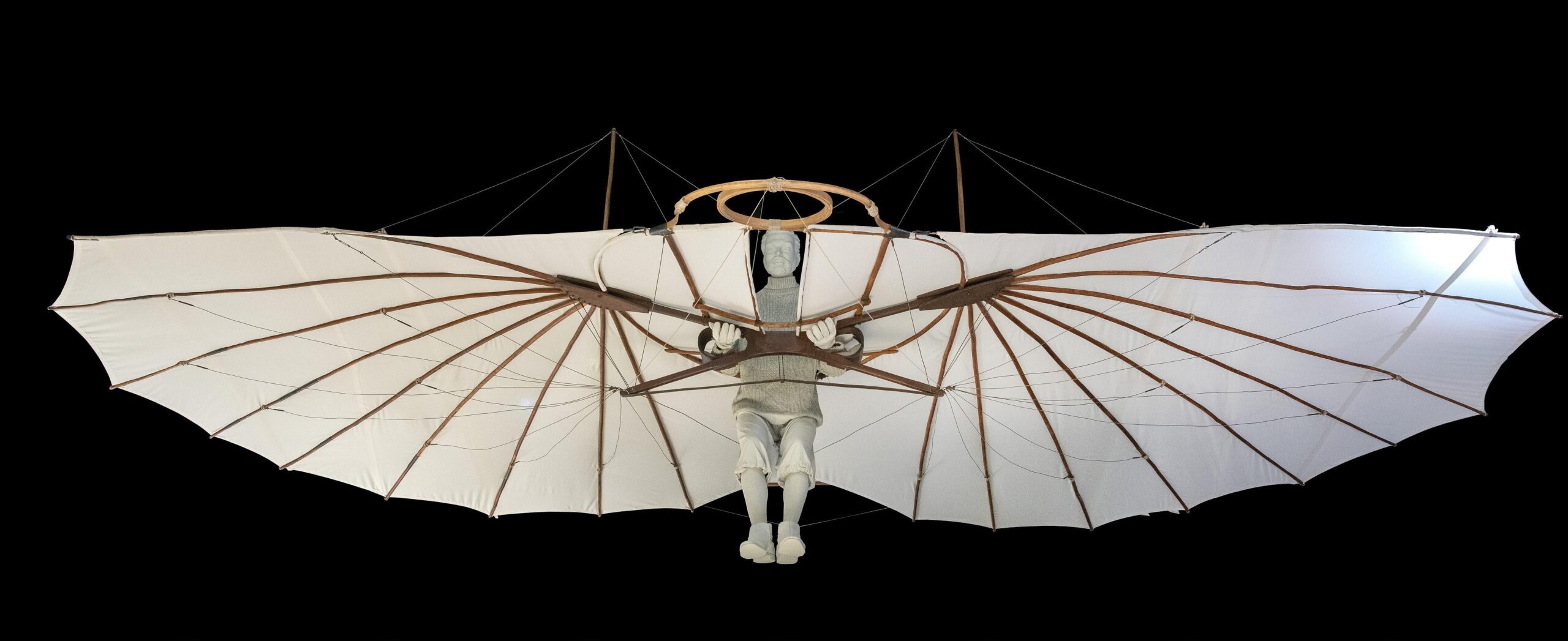
Between 1891 and 1896, he built and flew a series of full sized gliders. According to the Smithsonian’s record of the Lilienthal glider, he made close to 2,000 flights using 16 different designs.
His gliders were mainly built from wooden frames covered with fabric. They did not have engines, so he launched from suitable elevated ground and controlled the aircraft by shifting his body weight.
Although his flights were short by modern standards, they proved that controlled gliding flight was possible. His work also provided valuable information about wing design and flight behaviour.
Lilienthal died in 1896 following a gliding accident. However, his experiments had already influenced other aviation pioneers, including the Wright brothers.
His contribution remains an important chapter in the history of gliding because he demonstrated the value of repeated testing and learning from actual flight.
Octave Chanute and the Development of Glider Design
Another important figure was Octave Chanute, an engineer who helped advance knowledge of early flying machines.
Chanute studied previous experiments and shared information with other people working on flight. He also helped develop glider designs that explored stability and structural strength.
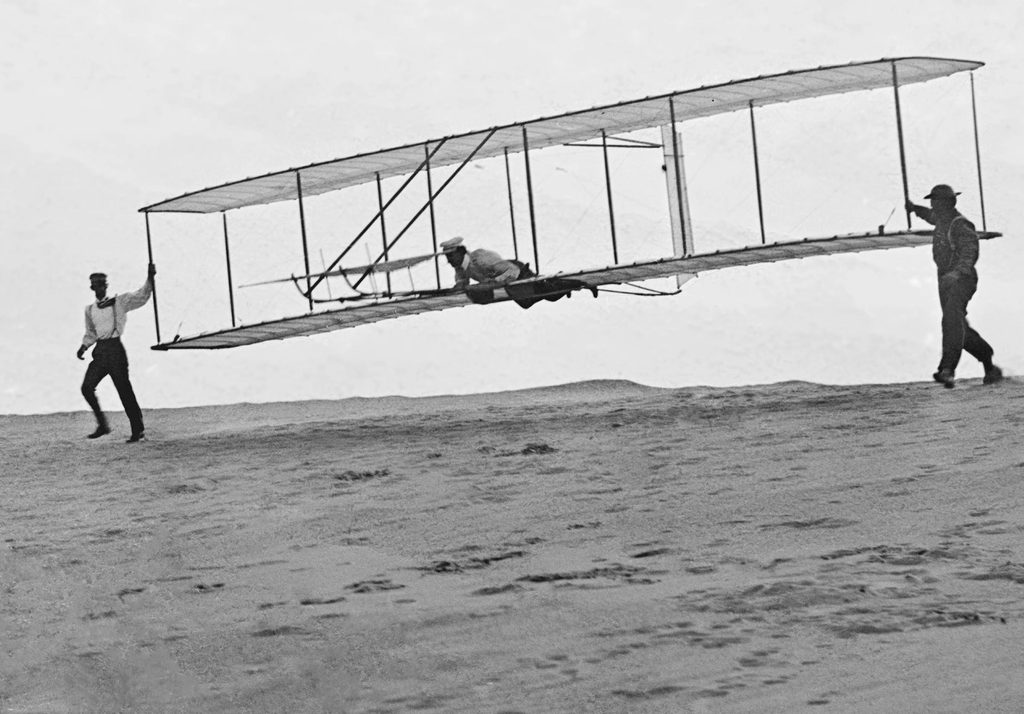
Some of his gliders used a biplane arrangement, with two wings positioned one above the other. This design offered a practical way to build a strong structure while keeping the aircraft relatively light.
Chanute’s work was valuable not only because of his own experiments but also because he encouraged the exchange of ideas. Aviation pioneers could learn from one another instead of repeating every experiment independently.
His research and writing helped create a stronger foundation for the next generation of aircraft designers.
The Wright Brothers and the Importance of Gliders
Wilbur and Orville Wright are best known for achieving powered flight in 1903. However, their success depended heavily on their earlier glider experiments.
The brothers studied the work of Otto Lilienthal and other aviation pioneers. They then conducted their own tests to understand lift, balance, and control.
From 1899 to 1902, they developed and tested several gliders. Their experiments revealed that building an aircraft that could lift a person was only part of the challenge. A pilot also needed to control its movement in the air.
The Wright brothers tested their designs at Kitty Hawk, North Carolina, where the local winds and open landscape provided suitable conditions for their work.
When earlier calculations did not produce the results they expected, they built a wind tunnel and carried out their own aerodynamic tests. These experiments helped them improve their understanding of wing performance.
Their 1902 glider was a major step forward because it addressed important problems involving stability and control. The Museum of Flight’s account of the Wright 1902 glider explains why this aircraft was such an important development.
The brothers’ gliding experiments helped prepare them for their powered flight in 1903. Their story shows why gliders have played such an important role in aviation research.
How Gliding Developed in the Early Twentieth Century
After the Wright brothers’ success, aviation developed rapidly. Powered aircraft attracted much of the public’s attention, but gliding continued to evolve.
Designers experimented with wing shapes, lighter materials, and improved control systems. These changes helped gliders fly more efficiently and predictably.
Gliding also became a recreational activity and a sport. Pilots began exploring how rising air could keep an aircraft airborne for extended periods.
Thermals became especially important. These are rising columns of warm air that can help a glider gain altitude. Ridge lift, created when wind flows upward over hills or mountains, also allows pilots to remain airborne.
As pilots gained experience and aircraft improved, gliding became more than a way to study flight. It developed into a discipline with its own skills, competitions, clubs, and long distance challenges.
From Simple Gliders to Modern Sailplanes

Early gliders were relatively simple aircraft made from wood, fabric, and basic fittings. Modern sailplanes are far more advanced.
Many modern sailplanes use composite materials, including fibreglass and carbon fibre. These materials can provide strength and a smooth surface without adding unnecessary weight.
Their wings are carefully designed to reduce drag and improve aerodynamic efficiency. Many also have retractable landing gear, streamlined fuselages, and sophisticated flight instruments.
These improvements allow modern sailplanes to travel long distances and use rising air more effectively than early gliders could.
However, the basic principle remains the same. A glider needs suitable air movement, efficient wings, and a skilled pilot who understands the conditions around the aircraft.
The progress from early wooden gliders to modern sailplanes shows how far aviation has advanced through research, engineering, and practical experience.
How Do Modern Gliders Stay in the Air?
A glider gradually loses height as it moves through the air. To remain airborne for longer, pilots search for rising air that can provide additional lift.
There are three common sources of rising air.
Thermal lift: Sunlight warms the ground unevenly. The warmer air rises, and a glider can circle within this rising air to gain altitude.
Ridge lift: When wind encounters a hill or mountain, it may be forced upward. A glider can use this rising air to maintain altitude along the ridge.
Wave lift: Under suitable atmospheric conditions, wind flowing over mountains can create large waves of rising air. These waves may allow experienced pilots to reach high altitudes and cover long distances.
Finding and using these sources of lift requires knowledge, judgement, and careful attention to weather conditions.
Modern instruments can help pilots monitor altitude, speed, position, and the surrounding environment. Nevertheless, understanding the air remains one of the most important skills in gliding.
Why Are Modern Sailplanes So Efficient?
Modern sailplanes are designed to travel a long distance while losing as little height as possible.
One of their most noticeable features is their long, slender wings. These wings help reduce induced drag, which is associated with producing lift.
Their smooth surfaces and streamlined bodies also reduce resistance as the aircraft moves through the air.
A key measure of performance is the glide ratio. It describes how far an aircraft can travel horizontally compared with the height it loses in still air.
For example, a theoretical glide ratio of 40 to 1 means an aircraft could travel about 40 units forward for every unit of height lost under the stated conditions.
Actual performance depends on the aircraft, its speed, the air, and the pilot’s decisions. Rising air can allow a sailplane to maintain or gain altitude, making much longer flights possible.
This efficiency is one reason modern sailplanes are used in cross country flying and competitive gliding.
Gliding as a Sport Today

Today, gliding is enjoyed by pilots around the world. Some people take up the sport for the peaceful experience of flight, while others enjoy the challenge of cross country flying and competition.
Gliding clubs often provide training, aircraft, and opportunities for new pilots to learn under supervision. Beginners usually start with an instructor and progress as their skills and experience improve.
Competitive gliding can involve flying a planned course, reaching specific turning points, and completing the task as efficiently as possible. Pilots must make decisions about weather, altitude, speed, and the best route to follow.
Gliding also encourages a close understanding of the natural environment. Pilots learn to observe clouds, wind, terrain, and changing weather conditions.
Although modern aircraft and instruments have made the sport more capable, good judgement and sound flying skills remain essential.
What Is the Difference Between a Glider and a Sailplane?
The words glider and sailplane are closely related, and they are often used interchangeably. However, there is a useful distinction.
A glider is a broad term for an aircraft designed to fly without an engine providing thrust during the flight. Gliders include different types of aircraft built for training, recreation, research, and other purposes.
A sailplane generally refers to a glider designed for efficient soaring flight. Sailplanes often have long wings and carefully shaped bodies that help them travel farther and make effective use of rising air.
In simple terms, all sailplanes are gliders, but the term sailplane usually highlights an aircraft’s ability to soar efficiently.
Why Does the History of Gliding Matter?
The history of gliding shows that aviation advanced through careful observation, repeated experiments, and the willingness to learn from failure.
Pioneers such as Otto Lilienthal demonstrated that humans could fly in heavier than air machines without engines. Octave Chanute helped share knowledge and develop early designs. The Wright brothers used glider experiments to solve problems that were essential to controlled powered flight.
Their work reminds us that major advances often come from understanding the basics before trying to achieve something more ambitious.
Gliding also remains valuable today. It offers pilots a way to develop their understanding of aerodynamics, weather, energy management, and aircraft control.
From simple wooden structures to advanced composite sailplanes, the story of gliding is a story of curiosity and steady progress.
Final Thoughts
The history of gliding is much more than the story of an aircraft without an engine. It is the story of people who wanted to understand flight and were willing to test their ideas in the real world.
From Otto Lilienthal’s early flights to the Wright brothers’ experiments and today’s high performance sailplanes, each stage has helped expand our understanding of the sky.
Gliding continues to attract people who value skill, patience, science, and the freedom of unpowered flight. Its history also reminds us that some of aviation’s greatest achievements began with a simple question: how can we fly?
At Glider Airstrip, we explore the history, aircraft, people, and ideas that make gliding such a remarkable part of aviation.