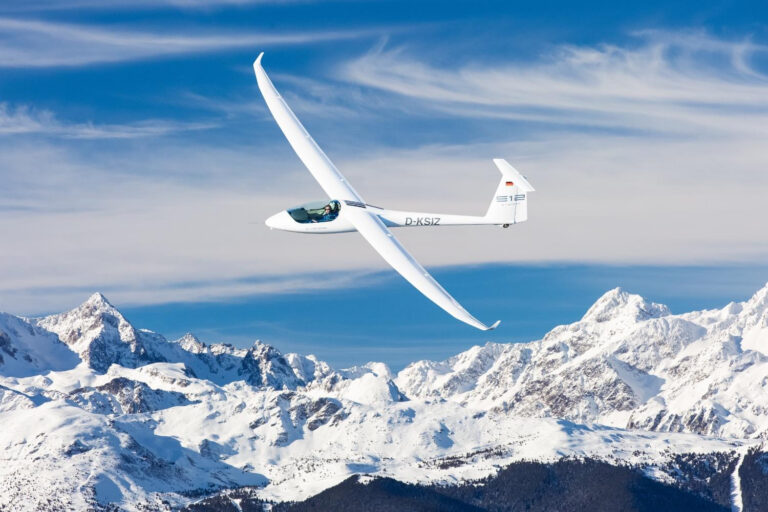

Imagine flying thousands of kilometers without an engine. Imagine climbing higher than most commercial aircraft while using nothing but the power of rising air. For skilled glider pilots, these achievements are more than dreams. They are part of aviation history.
Gliding is one of the most fascinating forms of flight. Without an engine, pilots must understand the weather, find rising air, and make smart decisions to stay airborne.
The official gliding world records recognized by the Fédération Aéronautique Internationale (FAI), the World Air Sports Federation, show just how far this skill can go. Some pilots have covered extraordinary distances, while others have reached the edge of the stratosphere.
In this guide, we will explore remarkable gliding records, explain how distance, speed, and altitude are measured, and discover how the Perlan 2 changed the history of high altitude soaring.
What Are Gliding World Records?
Gliding world records recognize outstanding achievements made by pilots flying sailplanes, commonly called gliders.
The FAI oversees international aviation records through its sporting commissions. The International Gliding Commission, known as the IGC, is responsible for gliding competitions and related sporting matters.
A record is not simply a flight that looks impressive on a tracking app. It must meet the requirements for a specific category and be supported by acceptable evidence.
Gliding records can recognize several types of performance, including:
- Distance covered during a flight.
- Speed over a defined course.
- The highest altitude reached.
- The amount of altitude gained during a flight.
The rules, glider class, and pilot category matter when comparing records. Two impressive flights may belong to different categories, even if they cover similar distances or reach similar heights.
The Three Main Types of Gliding Records
1. Glider Distance Records
Distance records recognize how far a glider travels under the rules of a particular category.
Some flights follow a route toward a finish point. Others include turnpoints, follow a triangular course, or return toward the starting point.
These categories measure different achievements. A flight covering the greatest possible distance is not necessarily the same as a flight completing a closed course.
Long distance soaring requires careful route planning. Pilots must find rising air, manage their altitude, monitor weather conditions, and decide when to continue or change direction.
2. Glider Speed Records
Speed records measure how quickly a pilot completes a defined course.
This is different from recording the highest speed reached at one moment during a flight. An official course speed record depends on completing the required course according to the applicable rules.
Thermals, ridge lift, and mountain wave lift can help gliders remain airborne. Weather conditions along the route can have a major effect on average speed.
A successful speed flight therefore depends on aircraft performance, weather, and the pilot’s ability to make efficient decisions.
3. Glider Altitude Records
Altitude records recognize how high a glider reaches or how much height it gains.
These are two different measurements.
An absolute altitude record measures the highest altitude reached under the applicable rules. A gain of height record measures the vertical difference between the required reference points during a flight.
Mountain wave lift is especially important for extreme altitude soaring. Under the right conditions, winds flowing over mountain ranges create atmospheric waves that can carry gliders to extraordinary heights.
Gliding World Records: Remarkable Official Achievements
The following examples are listed in the FAI’s world gliding records database. Each represents a different type of achievement.
| Record category | Performance | Pilot | Date |
|---|---|---|---|
| Distance using up to three turnpoints | 2,643.2 km | Klaus Ohlmann | December 28, 2009 |
| Triangle distance | 1,750.6 km | Klaus Ohlmann | January 12, 2011 |
| Speed over a triangular course of 300 km | 225.69 km/h | Klaus Ohlmann | November 21, 2005 |
| Absolute altitude | 22,657 m | James M. Payne | September 2, 2018 |
| Gain of height | 12,894 m | Paul F. Bikle | February 25, 1961 |
Important: These are separate record categories, not a complete list of every gliding record. The FAI database should be consulted for current record status, specific glider classes, and the latest approved performances.
Official source: FAI World Gliding Records.
How Far Can a Glider Fly Without an Engine?
A glider can travel thousands of kilometers when the weather and atmospheric conditions are favorable.
One remarkable example is Klaus Ohlmann’s official distance record of 2,643.2 kilometers, achieved on December 28, 2009, using up to three turnpoints.
To understand the scale of this achievement, imagine traveling between distant cities without an engine providing power throughout the flight.
The pilot must continually find useful rising air and choose a route that allows the aircraft to remain airborne while covering as much distance as possible.
There are three main sources of lift that make this possible.
Thermals are rising columns of warm air that often develop when sunlight heats the ground.
Ridge lift forms when wind flows upward along a hill or mountain slope.
Mountain wave lift develops when air flows over mountain ranges under suitable atmospheric conditions.
Each type of lift works differently. The most useful source depends on the terrain, wind, and weather.
Long distance flights also require careful planning. Pilots must consider cloud development, landing options, terrain, wind, and the amount of daylight remaining.
The goal is not simply to stay in the air. It is to use the available energy efficiently while making safe decisions throughout the flight.
How Fast Can a Glider Fly?
A glider’s speed depends on its design, the course being flown, and the conditions encountered along the route.
The FAI lists a world record of 225.69 km/h for speed over a triangular course of 300 kilometers, achieved by Klaus Ohlmann on November 21, 2005.
This figure represents average speed over the defined course, not a brief peak speed during the flight.
A glider may briefly reach a higher speed during one part of a flight, but that alone does not establish an official course speed record.
To achieve a high average speed, pilots need to use rising air efficiently and avoid spending unnecessary time searching for lift. Wind, cloud development, and the strength of thermals can all influence the outcome.
Speed records demonstrate not just the capabilities of the aircraft, but also the pilot’s ability to make good decisions under changing conditions.
What Is the Highest Altitude Ever Reached by a Glider?
The FAI lists an absolute altitude record of 22,657 meters, achieved by the Perlan 2 glider in 2018.
This extraordinary flight demonstrated that a specially designed glider could reach the stratosphere without using an engine for propulsion.
At such heights, the atmosphere is extremely thin and temperatures can be very low. Pilots need specialized equipment, careful preparation, and suitable atmospheric conditions.
Mountain wave lift plays a central role in these flights. Under the right conditions, powerful waves of rising air extend high into the atmosphere, allowing a glider to climb far above the surrounding terrain.
However, reaching a particular altitude is different from gaining the same amount of height during a flight. Absolute altitude and gain of height are separate record categories.
Perlan 2: The Glider That Reached the Stratosphere
The Perlan 2 is one of the most remarkable aircraft in gliding history.
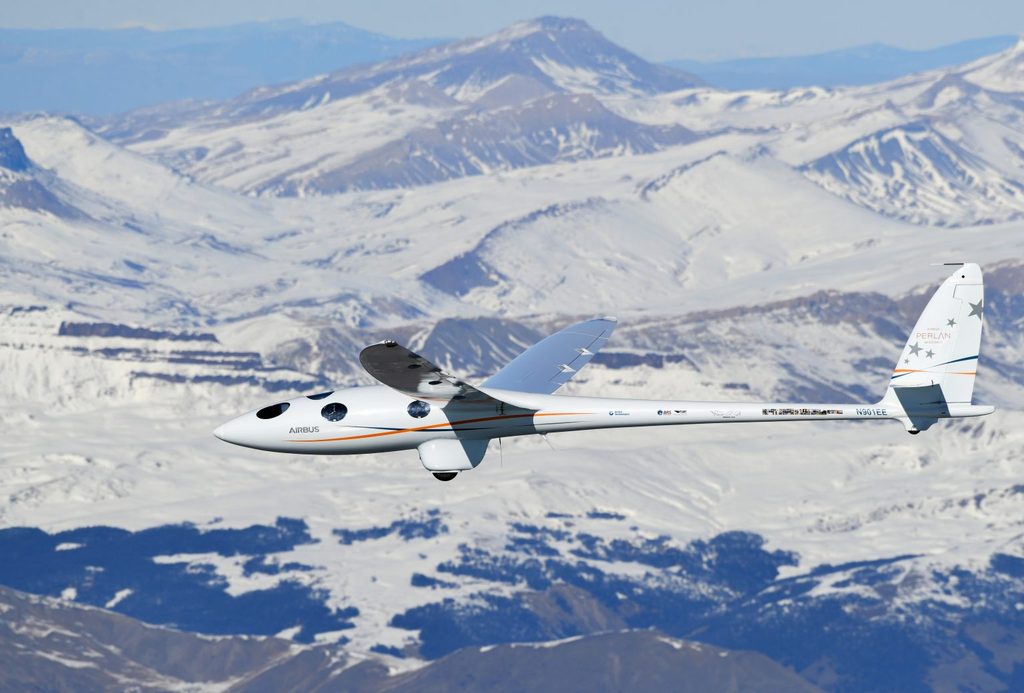
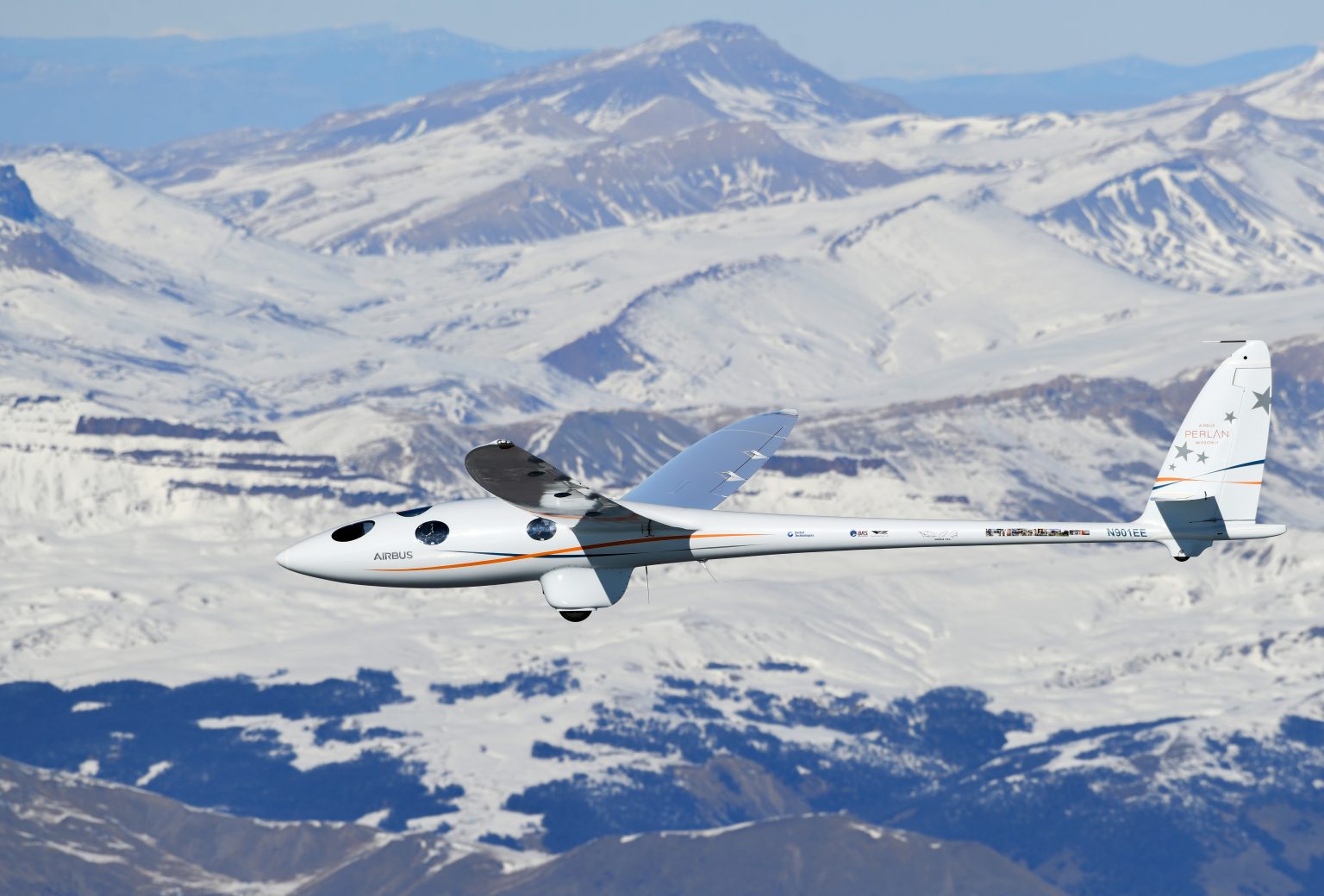
Developed for high altitude research, this specially designed sailplane has a pressurized cabin and no engine. Its mission is to explore the upper atmosphere and investigate how far a glider can climb using powerful atmospheric waves.
On September 2, 2018, the Perlan 2 reached a pressure altitude of 76,124 feet during a flight over Patagonia, Argentina. The flight was part of the Airbus Perlan Mission II project.
The achievement became a major milestone in aviation. The aircraft reached an altitude of 22,657 meters under the official FAI absolute altitude record.
How Did Perlan 2 Reach Such an Extreme Altitude?
The secret was mountain wave lift.
When strong winds flow over mountains, they can create powerful waves in the atmosphere. Under exceptional conditions, these waves can extend into the stratosphere and provide the rising air needed for high altitude soaring.
Perlan 2 was specifically designed to take advantage of these conditions.
Its pressurized cabin and specialized life support equipment help the crew operate in an environment where the atmosphere is far thinner than at normal flying altitudes.
The project also supports scientific research into atmospheric conditions, high altitude flight, and the behavior of waves in the upper atmosphere.
Who Flew Perlan 2?
The Perlan 2 program involved an international team of engineers, scientists, and pilots.
The FAI record for the September 2018 achievement recognizes US pilots James M. Payne and Timothy Gardner.
The project had already achieved important milestones in 2017 and earlier in 2018, progressively demonstrating the potential of high altitude soaring.
Is Perlan 2 Still the Highest Flying Glider?
The FAI’s published world records list 22,657 meters as the ratified absolute altitude record for gliders, achieved in 2018.
Perlan 2’s 76,124 foot flight remains a landmark achievement in high altitude aviation. The project has also explored the potential for reaching 90,000 feet.
For the latest official status, check the FAI records database rather than relying only on project announcements or social media posts.
Official sources:
FAI report on the Perlan 2 altitude record
The Perlan Project’s history and achievements
How Do Glider Pilots Set World Records?
Setting a world record takes more than excellent flying skills. Pilots must understand the rules, plan their flights carefully, and provide reliable evidence.
1. Choose the Record Category
The pilot first identifies the type of record being attempted. It could involve distance, speed, altitude, or another recognized category.
The glider class and pilot category must also be considered.
2. Understand the Official Rules
Each category has specific requirements. These may cover the course, start and finish points, turnpoints, altitude measurements, and required evidence.
Pilots should review the relevant FAI Sporting Code before attempting a record.
3. Record the Flight
Record attempts require acceptable evidence of the flight. Depending on the category and applicable rules, this may include data from an approved flight recorder and supporting documentation.
The evidence allows officials to check whether the flight met the relevant requirements.
4. Submit the Record Claim
The claim must follow the appropriate approval process. National air sport organizations and authorized officials may be involved.
Submitting a claim does not automatically mean that a new world record has been established.
5. Wait for Official Confirmation
The relevant authorities review the evidence and determine whether the flight meets the rules.
Until the claim is ratified, it should not be described as a confirmed world record.
For current requirements, consult the FAI Sporting Code.
Why Weather Matters in Record Breaking Flights
Gliders depend on the energy available in the atmosphere. Weather is therefore one of the most important factors in record attempts.
Thermals help pilots climb during many cross country flights. Ridge lift supports soaring along suitable terrain. Mountain wave lift can provide powerful rising air and is particularly important for some high altitude achievements.
Wind direction and strength also affect route planning. A pilot must consider whether useful lift will remain available along the entire course, not just near the starting point.
The best conditions for a distance record may not be the best conditions for a speed record. A flight designed to cover the greatest possible distance can involve different decisions from a flight designed to complete a course quickly.
Successful record attempts combine weather knowledge, preparation, flying skill, and sound judgment.
Are Gliding World Records the Same for Every Sailplane?
No. The FAI recognizes different glider classes and record categories.
For example, Open Class records and 15 meter class records apply to different groups of gliders. Some categories also distinguish between pilot groups.
A performance that is a world record in one class may not be the overall record across all classes.
When comparing two achievements, check the record category, glider class, pilot category, and official status. These details help ensure that the comparison is accurate.
Where Can You Find the Latest Gliding World Records?
The most reliable place to start is the official FAI records database.
The database allows readers to explore recognized aviation records and review details such as performance, date, pilot, category, and record status.
For gliding specific information, visit the FAI records database and explore its gliding records.
The Soaring Society of America is also a useful resource for pilots interested in soaring in the United States.
Official sources are especially important when a recent flight attracts attention online. News reports may describe a record attempt before the relevant claim has been fully approved.
Checking the official listing helps separate a confirmed achievement from a pending claim.
Frequently Asked Questions About Gliding World Records
Final Thoughts
Gliding world records reveal what pilots can achieve when skill, technology, and atmospheric energy come together.
From extraordinary distance flights to the Perlan 2’s journey into the stratosphere, these achievements show how much is possible without an engine.
Distance, speed, and altitude each tell a different story. Understanding a record means knowing what was measured, which category applied, and whether the result has been officially approved.
For anyone interested in soaring, these records are more than numbers. They represent years of preparation, deep knowledge of the atmosphere, and the desire to explore what is possible in flight.
Keep exploring the history, science, and achievements of soaring with Glider Airstrip.