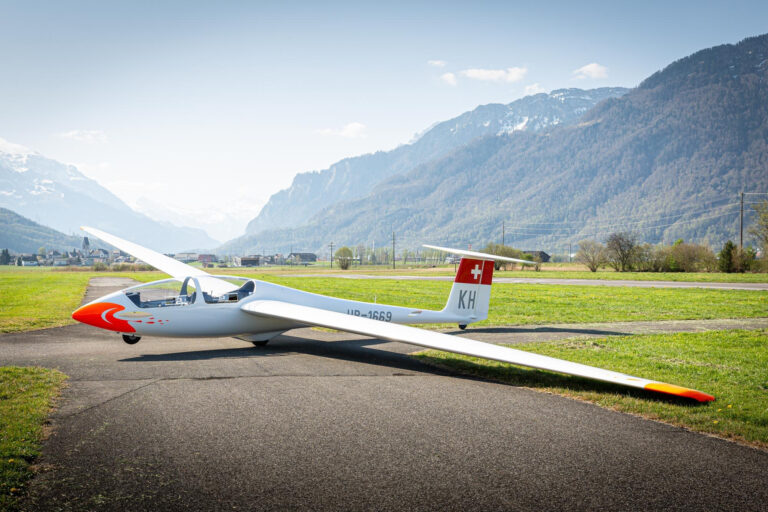


Long before carbon fiber wings and high performance competition sailplanes became familiar sights at gliding clubs, pilots took to the skies in aircraft built from wood, fabric, and metal. These early sailplanes helped shape the sport, trained generations of pilots, and revealed what skilled aviators could achieve without an engine.
Today, vintage gliders continue to attract pilots, restorers, historians, and aviation enthusiasts across the United States and Europe. Their appeal is not simply about age. It is about distinctive designs, craftsmanship, the stories behind individual aircraft, and the opportunity to experience an earlier chapter of soaring flight.
Some classic sailplanes are remembered for their role in training. Others stand out for their elegant wings, unusual cockpit arrangements, or contribution to the development of competitive gliding. A number have survived through dedicated restoration projects, while others can still be seen flying at vintage glider gatherings and selected clubs.
In this guide, we explore seven notable vintage and classic sailplanes, what makes each one special, and why these historic aircraft still matter to the gliding community.
What Makes a Glider Vintage or Classic?
There is no single definition of a vintage glider that every organization uses. The term can depend on an aircraft’s age, construction, design, and the rules of a particular association or event.
In the United States, the Vintage Sailplane Association generally describes vintage sailplanes as gliders built before 1958, when fiberglass sailplanes began to emerge, along with some later aircraft that retain the appearance, performance, and construction of the vintage era. The association also recognizes a separate classic category for early fiberglass sailplanes.
In Europe, historic gliders are often discussed through national preservation groups, museums, vintage glider clubs, and gatherings devoted to restoring and flying older aircraft. The categories used by one organization may not match those used by another.
For this article, vintage and classic sailplanes refers broadly to historically significant gliders from the wooden and fabric era through the transition to newer construction methods. The list includes aircraft that represent different stages of gliding history, rather than claiming that every model fits one universal classification.
1. Grunau Baby: The Glider That Reached Generations of Pilots
The Grunau Baby is one of the most recognizable names in early European gliding. Designed by Edmund Schneider with input from Wolf Hirth, it emerged in the early 1930s as a relatively light and affordable single seat sailplane.

Its wooden structure, fabric covered surfaces, and straightforward design made it an important aircraft in the expansion of gliding. The improved Grunau Baby IIb entered series production in 1936. The Deutsches Museum describes the type as a widely built training glider and gives approximately 5,000 as the production figure for the family.
What makes it special?
The Grunau Baby represents an era when glider construction depended heavily on woodworking skills, careful fabric covering, and practical design. It was built in large numbers and became familiar in several countries, making it an important part of the international story of early sailplane training.
Its design also reflects a period when pilots and designers were learning more about thermals and how rising air could support longer flights beyond ridge lift alone.
A note on its history
The Grunau Baby’s history is complex. The type was used in Germany during the Nazi era, including for paramilitary flight training. That historical context is an important part of the aircraft’s story and should not be overlooked when discussing its legacy.
Today, surviving examples are valued for their historical significance, distinctive construction, and connection to the early development of gliding.
Why pilots still notice it: The Grunau Baby offers a direct link to the formative years of club gliding and the practical wooden sailplanes that helped make the sport more accessible.
2. DFS Olympia Meise: A Sailplane Designed for Olympic Ambitions
The DFS Olympia Meise has a particularly interesting place in aviation history. It was designed by Hans Jacobs at the German research organization for gliding, DFS, and won an international design competition in 1939 for a standardized sailplane.
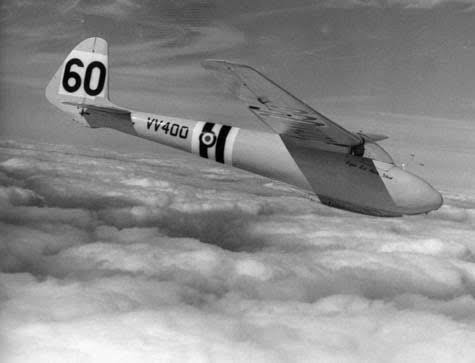
The goal was connected to a proposal to include gliding in the 1940 Olympic Games. A common aircraft design would have helped create more equal conditions for competitors. The Olympic Games were cancelled because of the Second World War, so the planned gliding competition never took place.
What makes it special?
The Olympia Meise combined a relatively light wooden structure with a clean, purposeful sailplane design. It was intended to be practical enough for construction by sport flying groups while still delivering useful soaring performance.
Its design continued to be produced in several countries into the 1950s. The Deutsches Museum lists a 15 meter wingspan and a best glide ratio of 25 to 1 for the particular Meise aircraft in its collection.
A glide ratio of 25 to 1 means that, in still air under the relevant conditions, the aircraft can travel approximately 25 units horizontally for each unit of altitude lost. It is a performance figure, not a promise of how far the glider will travel on every flight.
Why it matters
The Meise represents the ambition to make soaring competition more standardized. It also illustrates how wooden sailplanes could combine relatively simple construction with thoughtful aerodynamic design.
Why pilots still notice it: Its elegant proportions and Olympic connection give it a special place among classic European sailplanes.
3. Göppingen Gö 3 Minimoa: The Sailplane With Gull Wings
Few vintage sailplanes are as immediately recognizable as the Göppingen Gö 3 Minimoa. Designed by Martin Schempp and Wolf Hirth, it became famous for its distinctive gull wing shape, with inner wing sections and outer panels creating a dramatic outline.

The Minimoa is closely associated with the early development of high performance soaring in Germany. Its appearance is not just decorative. The wing geometry reflects the design thinking of its era, when sailplane designers were experimenting with ways to improve aerodynamic performance while working within the materials and construction methods available at the time.
What makes it special?
The Minimoa’s silhouette is its most obvious signature. Its gull wings make it stand apart from many conventional straight wing sailplanes, especially in side views and photographs taken in flight.
The aircraft also represents an important chapter in the history of Schempp Hirth, the company associated with several influential sailplane designs.
Vintage Glider Club records show that restored Minimoas and replicas have continued to feature in the vintage gliding world. That ongoing interest reflects the work of owners and restorers who keep unusual historic designs visible to new generations.
Why it matters
The Minimoa is a reminder that sailplane design has never followed a single visual formula. Early designers explored different wing shapes, fuselage forms, and structural solutions in their search for better soaring aircraft.
Why pilots still notice it: The combination of its gull wing outline, rarity, and place in prewar sailplane design makes the Minimoa a standout at historic glider events.
4. Slingsby T.21: The Open Cockpit Two Seater
The British Slingsby T.21 is a very different kind of classic glider. First flown in 1944, it was designed as a two seat training sailplane with an open cockpit and side by side seating.

Its wooden structure and fabric covered surfaces reflect traditional glider construction. The T.21B production version entered service after the war and was used by the Royal Air Force’s Air Training Corps as the Sedbergh TX.1, as well as by civilian gliding clubs.
What makes it special?
Unlike many modern training gliders, the T.21’s open cockpit gives the aircraft a distinctive appearance and a more exposed flying environment. Its broad, practical design was suited to training and club use rather than sleek competition styling.
The T.21 also helped change the way many clubs introduced beginners to flying. Two seat instruction made it possible for an instructor and student to fly together, reducing reliance on the earlier approach of training beginners in single seat primary gliders.
The aircraft became affectionately known as “The Barge,” a nickname reflecting its broad shape and sedate flying character.
Is it still flown?
Some examples remain part of the vintage gliding scene. The Cambridge University Gliding Club has documented its T.21, named Bluebell, as part of its vintage gliding activity. Individual aircraft availability and airworthiness depend on their condition, maintenance, and operating approvals.
Why pilots still notice it: The T.21 combines a distinctive open cockpit with an important role in postwar training. For many enthusiasts, it represents the social and hands on side of traditional club gliding.
5. Slingsby Kirby Kite: A Landmark in British Glider Design
The Slingsby Kirby Kite is another important British sailplane from the prewar era. The first version was designed in the 1930s, and the type is remembered for its place in the growth of British glider manufacturing and club flying.

The Kirby Kite family is part of the broader Slingsby story, a company that produced numerous British gliders and sailplanes across several decades. The aircraft reflects the period when designers were moving beyond very basic primary gliders toward more refined sailplanes for training and soaring.
What makes it special?
The Kirby Kite is notable for its place in British gliding history and its association with the development of purpose built sailplanes for the growing sport.
The Vintage Glider Club’s historical records include the Kirby Kite among the types represented at its events and restoration awards. The club has also recognized work on a Kirby Kite prototype, highlighting the continuing role of restoration in preserving less common aircraft.
Why it matters
Vintage aircraft preservation is not limited to the most famous or highest performing types. Keeping a Kirby Kite in flying condition can preserve design details, construction methods, and stories that might otherwise disappear from the record.
Why pilots still notice it: It is part of the story of how British gliding developed its own aircraft designs and a lasting culture of club flying.
6. Schleicher Ka 6: A Classic That Bridges the Wooden and Modern Eras
The Schleicher Ka 6 belongs to the next stage of sailplane development. Designed by Rudolf Kaiser and produced by Alexander Schleicher, the Ka 6 is a single seat sailplane associated with the period when designers were refining traditional wooden glider construction for stronger performance and more demanding soaring.

The Ka 6 family appeared in several versions, so exact specifications depend on the variant. It is best to identify a particular aircraft by its full model designation rather than treating every Ka 6 as identical.
What makes it special?
The Ka 6 is often admired for its clean lines and balanced proportions. It reflects the transition from the earlier generation of wooden sailplanes toward more specialized aircraft used for serious cross country flying and competition.
It is also a familiar name within the vintage glider community. Vintage Glider Club records include the Ka 6 and Ka 6 CR among aircraft recognized at rallies and restoration events. Individual examples have also been associated with long duration and cross country flights at vintage gatherings.
Why it matters
The Ka 6 demonstrates that a sailplane can become historically important without being one of the earliest gliders ever built. Some aircraft become classics because they represent a meaningful step in the evolution of performance and design.
Why pilots still notice it: It offers a connection between traditional wooden sailplane construction and the more performance focused gliding that became increasingly common in the postwar period.
7. Slingsby T.31: The Tandem Training Glider
The Slingsby T.31 is another significant British training glider from the postwar period. It was a tandem two seat aircraft, placing the instructor and student one behind the other rather than side by side.
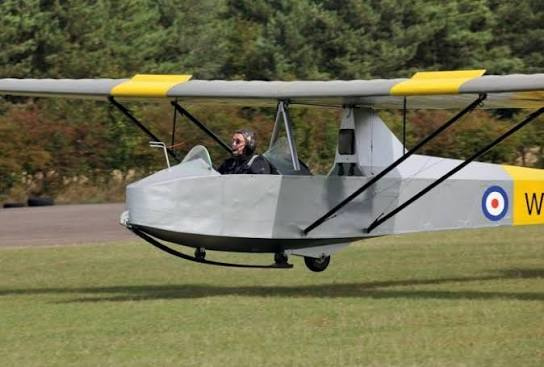
The T.31 shared the broader goal of making glider training more practical through two seat instruction. It was closely related in purpose to the T.21, although its cockpit arrangement and detailed design differed.
What makes it special?
The T.31 illustrates that historic training gliders were not all designed around the same cockpit layout. Side by side and tandem seating each offered a different way to arrange the instructor and student.
The type became known by the nickname “The Brick,” a reflection of its reputation for relatively sedate flying characteristics. Such nicknames are part of the informal culture that develops around long serving club aircraft.
Why it matters
Training aircraft often have a different kind of historical significance from competition sailplanes. They may not have been designed to set records, but they helped introduce many people to flying and shaped the way clubs organized instruction.
Why pilots still notice it: The T.31 represents the practical side of gliding history, where aircraft design was closely connected to teaching, club operations, and the experience of learning to fly.
Vintage Gliders at a Glance
| Sailplane | Origin | Historical significance | Distinctive feature |
|---|---|---|---|
| Grunau Baby | Germany | Widely used early training sailplane | Wooden structure and fabric covering |
| DFS Olympia Meise | Germany | Designed for a proposed Olympic gliding event | Standardized sailplane concept |
| Göppingen Gö 3 Minimoa | Germany | Important prewar high performance design | Gull shaped wings |
| Slingsby T.21 | United Kingdom | Postwar two seat training glider | Open cockpit and side by side seating |
| Slingsby Kirby Kite | United Kingdom | Part of the development of British glider design | Classic Slingsby construction |
| Schleicher Ka 6 | Germany | Postwar performance sailplane | Refined wooden sailplane design |
| Slingsby T.31 | United Kingdom | Two seat training aircraft | Tandem seating |
The table is a historical overview rather than a technical comparison. Exact performance, weight, and dimensions depend on the individual model and variant.
Why Vintage Gliders Still Matter to Today’s Gliding Community
1. They preserve the history of soaring
Every surviving vintage sailplane is a physical example of the engineering decisions, construction techniques, and flying practices of its time. Museums, owners, clubs, and restoration groups help preserve that knowledge.
The Vintage Sailplane Association in the United States supports the preservation and flying of vintage sailplanes and works with the National Soaring Museum. In Europe, the Vintage Glider Club organizes events and recognizes restoration work across a wide range of historic types.
2. They connect pilots with traditional craftsmanship
Many older sailplanes were built using wooden structures and fabric covering. Keeping them airworthy requires specialized knowledge, careful inspection, and maintenance carried out in accordance with the applicable airworthiness requirements.
Restoration is not simply a cosmetic exercise. A glider can look beautiful while still requiring significant technical work before it is safe to fly.
3. They bring people together
Vintage gliding is not only about the aircraft. Rallies and gatherings create opportunities for pilots, restorers, historians, and enthusiasts to compare aircraft, share knowledge, and discuss the stories behind individual airframes.
The Vintage Glider Club’s rally records include a wide range of types and recognize both restoration quality and flying achievements. These events help keep rare designs visible and encourage owners to preserve them.
4. They show how sailplane design evolved
The contrast between a Grunau Baby, an Olympia Meise, a Minimoa, and a Ka 6 shows that sailplane design developed through many different ideas. Designers experimented with wing shapes, construction methods, cockpit arrangements, and aerodynamic efficiency.
Modern sailplanes benefit from decades of engineering progress, but understanding older aircraft helps explain how the sport reached its current form.
Can You Still Fly a Vintage Glider?
Yes, some vintage gliders remain airworthy and are flown by private owners, clubs, and specialist groups. However, not every surviving aircraft is available for flight. Some are museum exhibits, some are under restoration, and others may be grounded pending inspection or repairs.
If you want to experience a vintage glider, contact a gliding club or vintage aircraft group and ask whether it operates the specific type you are interested in. Availability can depend on the aircraft’s condition, qualified pilots, insurance, weather, and local regulations.
Never assume that an aircraft is safe to fly simply because it has been restored or appears in an event photograph. Airworthiness and maintenance status must be established by the responsible people and authorities.
For anyone hoping to fly one, it is also important to understand that older aircraft can handle differently from modern trainers. Appropriate instruction, aircraft specific procedures, and the requirements of the operator always come first.
How to See Vintage Sailplanes in Person
If you want to see classic sailplanes beyond photographs, there are several useful places to start.
- Vintage Glider Club: Its website features historic aircraft, restoration awards, rally records, and information about the vintage gliding community. Visit vintagegliderclub.org.
- Vintage Sailplane Association: A United States organization focused on vintage and classic sailplanes, preservation, events, and educational resources. Visit vintagesailplane.org.
- Deutsches Museum, Flugwerft Schleissheim: Its collection includes historic sailplanes such as the Grunau Baby IIb and DFS Olympia Meise. Check the museum’s official pages for current visitor information and exhibits.
- Local gliding clubs: Some clubs maintain vintage aircraft or host special flying days. Contact the club before travelling because aircraft availability and event schedules vary.
Vintage glider events are particularly valuable because they allow visitors to see different designs side by side. You may be able to compare the shape of a gull wing sailplane with a conventional straight wing aircraft, or see the difference between open cockpit and enclosed cockpit designs.
Always check the event’s visitor policy before attending. Not every airfield is open to casual visitors, and access to aircraft on the ground may be restricted for safety.
Frequently Asked Questions
Final Thoughts
Vintage gliders are more than beautiful reminders of aviation’s past. They represent the ingenuity, craftsmanship, and experimentation that helped turn gliding into the sport enjoyed by pilots around the world today.
From the practical Grunau Baby to the distinctive Minimoa and the open cockpit Slingsby T.21, each aircraft tells a different part of the story. Some helped train generations of pilots, some explored new ideas in sailplane design, and others became memorable through the work of the people who preserve and fly them.
Their continued presence at museums, clubs, and vintage gatherings shows that the history of soaring is still being cared for by an active community. Every carefully restored aircraft keeps a little more of that history alive.
For a deeper look at how the sport developed, explore our guides to Gliding History and Famous Glider Flights.
The technology may have changed, but the fascination remains the same: a wing, rising air, and the chance to stay aloft by understanding the sky.