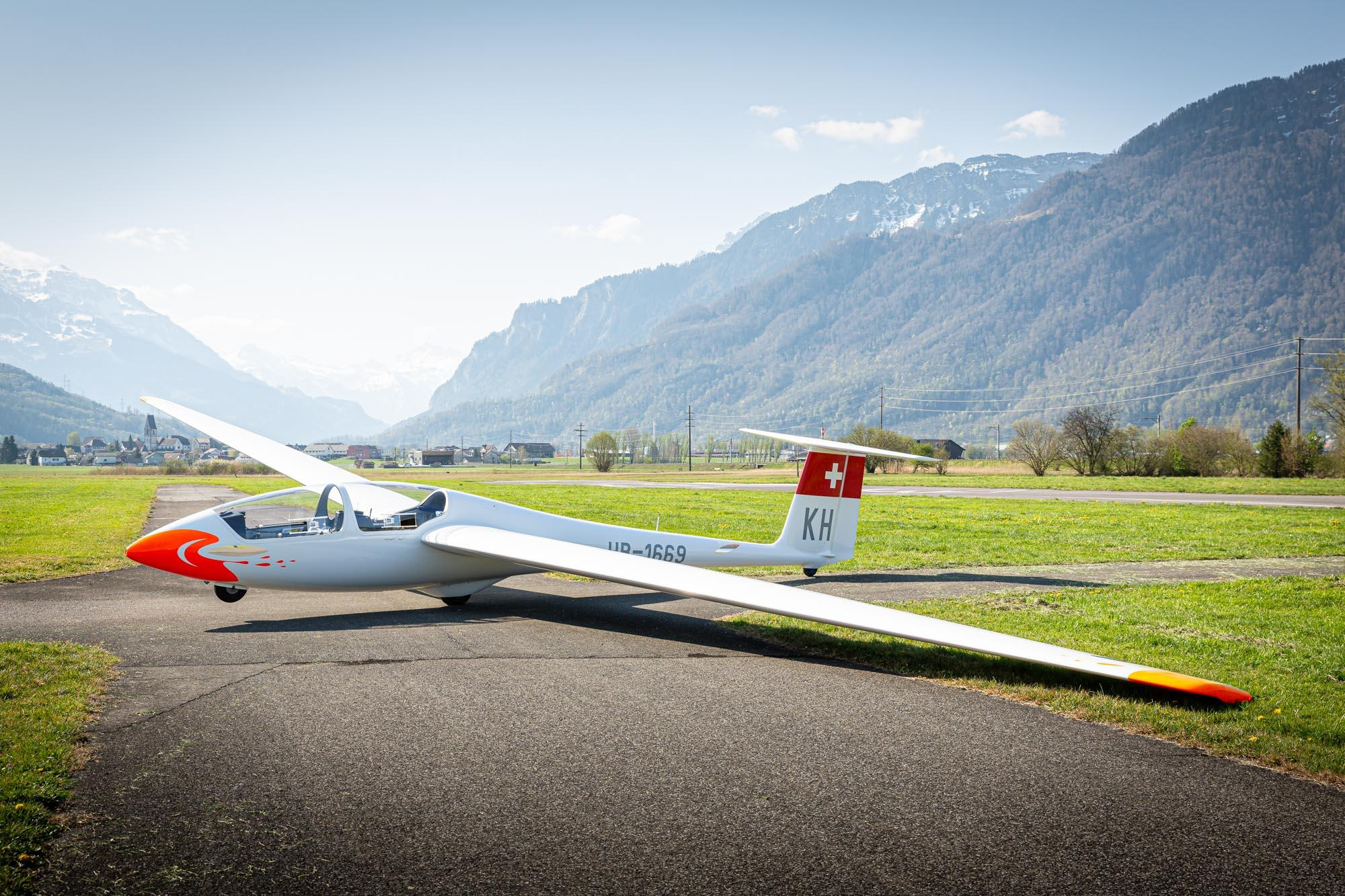

The ASK 21 vs ASK 23 comparison comes down to two closely related sailplanes designed for different stages of glider training. The Alexander Schleicher ASK 21 is a two-seat training glider that allows an instructor and student to fly together. The ASK 23 is a single-seat sailplane designed to help pilots transition from a two-seat trainer to flying alone.
Both aircraft were designed by Rudolf Kaiser and share similar flight characteristics and performance goals. However, their seating arrangements, dimensions, weights, and intended roles differ.
In this guide, we compare their specifications, glide performance, training applications, and the differences between the ASK 23 and ASK 23 B.
ASK 21 vs ASK 23: Quick Comparison
| Specification | ASK 21 | ASK 23 |
|---|---|---|
| Aircraft type | Two-seat sailplane | Single-seat sailplane |
| Designer | Rudolf Kaiser | Rudolf Kaiser |
| Seating arrangement | Tandem, one behind the other | Single seat |
| First flight | 1978 | 20 October 1983 |
| Wingspan | 17.0 m | 15.0 m |
| Wing area | 17.95 m² | 12.9 m² |
| Fuselage length | 8.35 m | 7.05 m |
| Empty mass | 360 kg | 240 kg |
| Maximum flight mass | 600 kg | 380 kg |
| Maximum flight mass, ASK 23 B configuration | Not applicable to this comparison | 360 kg |
| Best glide ratio | 34:1 | 34:1 |
| Minimum sink rate | 0.65 m/s | 0.66 m/s |
| Main role | Instruction and dual training | Single-seat training and solo flying |
Specifications are based on manufacturer information. The 360 kg maximum flight mass applies to the ASK 23 B configuration described in the manufacturer’s technical documentation. Aircraft manuals and approved modifications should always be checked for the individual aircraft.
1. What Is the ASK 21?
The Alexander Schleicher ASK 21 is a two-seat training sailplane designed by Rudolf Kaiser. It is widely used by gliding clubs and flight schools because it supports instruction from early training through solo preparation and more advanced flying.
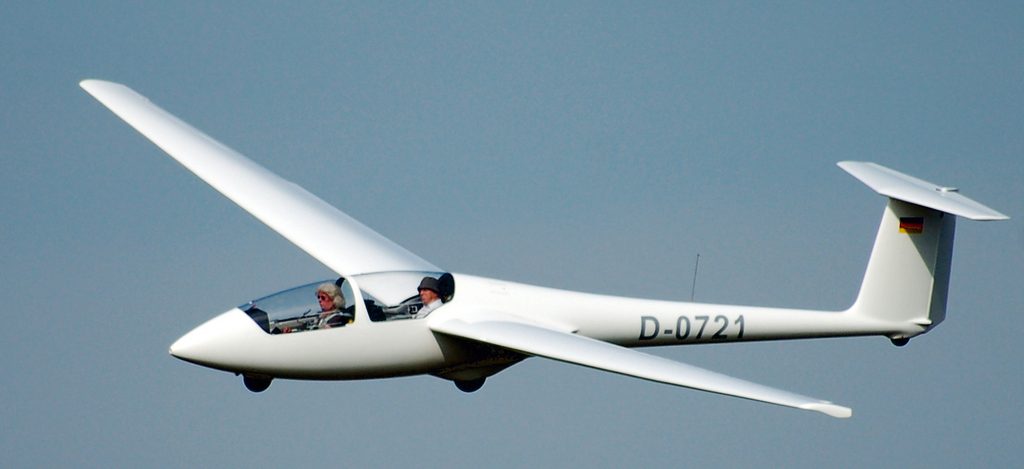
One of its defining features is its tandem seating arrangement. The student and instructor sit one behind the other, with the student normally in the front cockpit during training. The instructor can occupy the rear cockpit and supervise the flight.
The ASK 21 has a 17-metre wingspan and a manufacturer-published best glide ratio of 34:1. Its forgiving low-speed behaviour and manageable ground handling make it suitable for a wide range of training activities.
The aircraft can also be used for cross-country training and, when appropriately equipped and approved, certain aerobatic and cloud-flying activities. These uses must remain within the aircraft’s approved limitations and flight manual.
ASK 21 Key Specifications
- Wingspan: 17.0 metres
- Wing area: 17.95 m²
- Fuselage length: 8.35 metres
- Empty mass: 360 kg
- Maximum take-off mass: 600 kg
- Maximum speed: 280 km/h
- Minimum sink rate: 0.65 m/s
- Best glide ratio: 34:1
The ASK 21’s main advantage is that an instructor and student can share the same flight. This makes it particularly useful for demonstrations, supervised practice, and teaching essential flying techniques.
2. What Is the ASK 23?
The ASK 23 is a single-seat sailplane developed by Alexander Schleicher as a companion to the ASK 21. The manufacturer designed it to offer similar cockpit characteristics, flight behaviour, and performance, making the transition from a two-seat trainer to a single-seat aircraft easier.
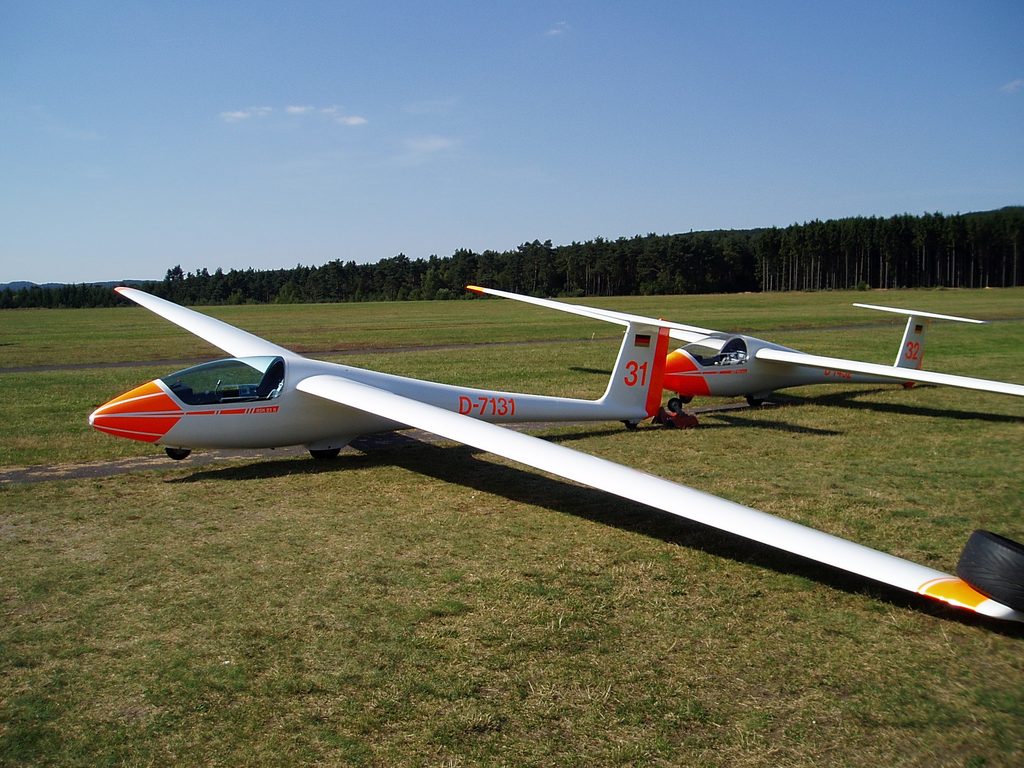
The ASK 23 was Rudolf Kaiser’s final sailplane design before his official retirement. It first flew on 20 October 1983, and production ran from 1983 to 2001. The manufacturer lists 153 aircraft built.
Unlike the ASK 21, the ASK 23 has only one seat. A pilot must therefore fly without an instructor sharing the cockpit, making the aircraft appropriate for pilots who have reached the required level of training and authorisation.
Its 15-metre wingspan and 240 kg empty mass make it smaller and lighter than the ASK 21. Despite these differences, the manufacturer lists the same best glide ratio of 34:1.
ASK 23 Key Specifications
- Wingspan: 15.0 metres
- Wing area: 12.9 m²
- Fuselage length: 7.05 metres
- Empty mass: 240 kg
- Maximum flight mass: 380 kg for the standard ASK 23
- Minimum sink rate: 0.66 m/s
- Best glide ratio: 34:1
The ASK 23 was not simply designed to be a smaller version of the ASK 21. Its purpose was to give pilots a single-seat aircraft with similar handling characteristics, helping them build experience after dual instruction.
3. ASK 21 vs ASK 23: Seating and Cockpit Differences
The clearest difference between these two sailplanes is the seating arrangement.
The ASK 21 has two seats arranged in tandem, meaning one seat is behind the other. This allows an instructor to fly with a student and provide guidance during training.
The ASK 23 has one seat. The pilot operates the aircraft alone, without an instructor in a second cockpit position.
This distinction affects how the aircraft are used in flight schools and gliding clubs.
| Feature | ASK 21 | ASK 23 |
|---|---|---|
| Number of seats | Two | One |
| Seating arrangement | Tandem | Single seat |
| Instructor and student fly together | Yes | No |
| Supervised dual instruction | Suitable | Not in the aircraft |
| Solo flying | Not its primary training advantage | Designed for single-seat flying |
The ASK 21 is particularly useful when a student needs demonstrations, corrections, and direct supervision. The ASK 23 is more appropriate once a pilot is ready to apply those skills independently.
4. Size, Weight, and Wing Differences
The ASK 21 is larger than the ASK 23 in both wingspan and overall length.
Its 17-metre wingspan is two metres greater than the ASK 23’s 15-metre span. The ASK 21 also has a larger wing area: 17.95 m² compared with 12.9 m².
The difference in empty mass is substantial. The ASK 21 has a published empty mass of 360 kg, while the ASK 23 is listed at 240 kg.
These figures reflect their different designs and intended uses. The ASK 21 must accommodate two occupants and the associated training role. The ASK 23 is a lighter single-seat aircraft.
However, aircraft size and empty mass alone do not determine which glider performs better. Performance also depends on factors such as loading, atmospheric conditions, speed, and the aircraft’s approved operating configuration.
5. ASK 21 vs ASK 23: Glide Ratio and Performance
Both aircraft have a manufacturer-published best glide ratio of 34:1.
A glide ratio describes how far an aircraft can travel horizontally through still air for a given loss of altitude under the relevant conditions. A ratio of 34:1 means approximately 34 units of horizontal distance for every unit of altitude lost.
For example, in ideal still-air conditions, a glider with a 34:1 glide ratio could travel approximately 34 kilometres horizontally while losing 1,000 metres of altitude.
This is a simplified illustration, not a guarantee of real-world range. Wind, turbulence, aircraft loading, pilot technique, and the selected airspeed can all affect the distance achieved.
The published glide ratio alone therefore does not establish that one aircraft is better than the other. In this comparison, both have the same stated best glide ratio.
Minimum Sink Rate
Minimum sink rate describes how slowly an aircraft can lose altitude when flown at the speed associated with its lowest rate of descent.
The manufacturer lists these figures:
- ASK 21: 0.65 m/s
- ASK 23: 0.66 m/s
The figures are very close. The ASK 21 has a slightly lower published minimum sink rate, but that small numerical difference should not be treated as proof that it will always climb or remain airborne longer in real conditions.
Thermal strength, aircraft loading, airspeed, and flying technique all matter.
Maximum Speed
The manufacturer’s published maximum speed for the ASK 21 is 280 km/h. A directly comparable maximum-speed figure for the ASK 23 is not included in the specification table above because it should be verified against the applicable aircraft documentation before publication.
Maximum speed is also not the same as the best speed for covering distance or staying in lift. Glider pilots select airspeed according to the conditions and the task being flown.
6. ASK 23 vs ASK 23 B: What Changed?
The ASK 23 B is a variant of the ASK 23, and the distinction is important when comparing specifications.
The manufacturer explains that the ASK 23 B gained additional structural strength reserves through a reduction in the permitted maximum cockpit load and flight mass, while the basic structure remained unchanged.
The manufacturer’s Technical Note No. 3 also describes a modification involving larger airbrakes for certification under JAR 22.73(a), covering semi-aerobatics and cloud flying. Under the configuration described in that technical note, the maximum flight mass must be reduced from 380 kg to 360 kg, with additional limitations and flight-manual changes.
This means the ASK 23 B should not be described simply as an ASK 23 with larger airbrakes. The permitted mass and the aircraft’s approved configuration are also significant.
Owners and pilots should consult the specific aircraft’s flight manual, technical records, and approved modifications rather than assuming that every ASK 23 has the same configuration or limitations.
7. Which Glider Is Better for Training?
The answer depends on the pilot’s stage of training and the purpose of the flight.
Choose the ASK 21 for Dual Instruction
The ASK 21 is the more appropriate option when an instructor needs to fly alongside a student. Its tandem cockpit supports demonstrations, supervised practice, and instruction in basic handling, circuits, landings, and other training exercises.
Its role can extend beyond initial training, depending on the club’s programme, the pilot’s experience, and the aircraft’s approvals.
Choose the ASK 23 for Single-Seat Experience
The ASK 23 was designed to make the transition from the ASK 21 to single-seat flying easier. Its similar flight characteristics and cockpit layout help pilots adapt to operating without an instructor in the aircraft.
It is not a substitute for the required training, authorisation, or supervision before a pilot begins solo flying. The appropriate transition depends on the pilot’s competence and the applicable club and regulatory requirements.
8. Can the ASK 21 or ASK 23 Be Used for Cross-Country Flying?
Both aircraft can be relevant to cross-country flying, but their roles differ.
The manufacturer describes the ASK 21 as an aircraft that can accompany students from instruction to early cross-country and competition flying. The ASK 23 was developed as a single-seat companion with similar performance and handling characteristics.
Cross-country suitability depends on the pilot, weather, route, aircraft equipment, loading, and operating limitations. Neither aircraft should be judged solely by its wingspan or published glide ratio.
For pilots learning to use thermals and plan longer flights, the most important factors include sound decision-making, accurate weather assessment, safe route planning, and knowledge of the aircraft’s limitations.
9. ASK 21 vs ASK 23: Which One Should You Choose?
| Your priority | More suitable option | Why |
|---|---|---|
| Learning with an instructor onboard | ASK 21 | Two-seat tandem cockpit |
| Demonstrations and supervised dual training | ASK 21 | Instructor and student can fly together |
| Transitioning to a single-seat sailplane | ASK 23 | Designed as a single-seat companion to the ASK 21 |
| Flying without another occupant | ASK 23 | Single-seat configuration |
| Comparing published best glide ratio | Tie | Both are listed at 34:1 |
| Comparing aircraft size | ASK 23 is smaller | 15 m span versus 17 m |
| Comparing empty mass | ASK 23 is lighter | 240 kg versus 360 kg |
There is no universal winner. The ASK 21 is the more practical choice for dual instruction, while the ASK 23 is designed for single-seat flying. The right aircraft depends on the pilot’s experience, intended use, and the specific aircraft’s condition and approved configuration.
Frequently Asked Questions
Final Verdict
The ASK 21 and ASK 23 share a design philosophy, but they serve different purposes.
The ASK 21 is a two-seat tandem sailplane suited to dual instruction and a broad range of training activities. The ASK 23 is a lighter, single-seat aircraft designed to help pilots move from dual instruction to flying independently.
Both have a published best glide ratio of 34:1, so that figure alone does not make one the clear winner. The more useful distinction is their intended role: the ASK 21 for flying with an instructor, and the ASK 23 for single-seat experience.
For an accurate comparison, always distinguish the standard ASK 23 from the ASK 23 B and check the approved documentation for the individual aircraft.
For more aircraft comparisons and practical gliding guides, explore our Aircraft Comparison section and our beginner guide to Gliding Basics.